comparisonHair Style
Bangs Filter vs Real Bangs: What to Check Before You Cut
Bangs are one of the most tempting hairstyle changes you can make. They completely transform how your face looks, they are relatively quick to cut, and they feel like a fresh start. But here is the uncomfortable truth: bangs are also one of the most regretted haircut decisions. The grow-out phase is awkward, styling them daily takes real effort, and what looked effortless on your favorite influencer might look entirely different on your face.
This is exactly why bangs filters have exploded in popularity. Instead of committing to a cut you might hate, you can upload a photo and see a realistic preview of how different bang styles will actually look on you. It is the difference between a confident decision and an expensive gamble.
But how accurate are these virtual previews? Can you really trust a bangs filter to show you what your hair will look like in real life? And what factors should you consider beyond just the visual preview?
In this guide, we are going to break down everything you need to know. We will compare the virtual bangs filter experience to the reality of living with real bangs, cover the factors that determine whether bangs will suit your face, and walk you through exactly how to use an AI bangs filter so you can make the most informed decision possible.
If you have been hovering over the idea of getting bangs for weeks or months, this article will help you finally decide, without the risk of a cut you cannot take back.
Try it on your own photo
Pick a style, choose a photo, and press the button. The Bangs Filter opens and starts with your photo right away.
Style
Free to try — sign in after your first result.
Why Bangs Are a Risky Commitment
Bangs look simple. A stylist snips a section of hair across your forehead, and suddenly you have a new look. But the reality of living with bangs is far more involved than most people expect going in.
The Grow-Out Problem. If you decide you do not like your bangs, you are looking at six to twelve months of awkward growing out. During that time, you will be constantly pinning them back, dealing with an in-between length that does not look intentional, and resisting the urge to just cut them again out of frustration.
Daily Maintenance Is Real. Bangs do not wake up looking perfect. Most people need to blow-dry or flat-iron their bangs every single morning. If you have a cowlick, wavy texture, or oily skin, the maintenance doubles. Your forehead produces oil that makes bangs greasy faster than the rest of your hair, which means more frequent washing or dry shampoo use.
Face Shape Matters More Than You Think. Bangs can make a round face look rounder, a short forehead look shorter, or a long face look perfectly proportioned. The effect depends entirely on your specific facial geometry. What works beautifully on an oval face with high cheekbones may overwhelm a petite face with a narrow forehead.
Hair Texture Changes Everything. Thick, straight hair creates dramatically different bangs than fine, wavy hair. Curly bangs shrink significantly when dry, which catches many people off guard. Your stylist can advise, but even they cannot perfectly predict how your specific hair will behave after the cut.
The Emotional Factor. There is a reason bangs are associated with impulsive decisions. They feel transformative, which is why people often get them during major life changes. But an emotional decision about your appearance deserves at least a visual preview before you follow through.
None of this means you should not get bangs. It means you should make sure you actually want them, and that they suit your face, before you cut.
How a Bangs Filter Gives You Clarity
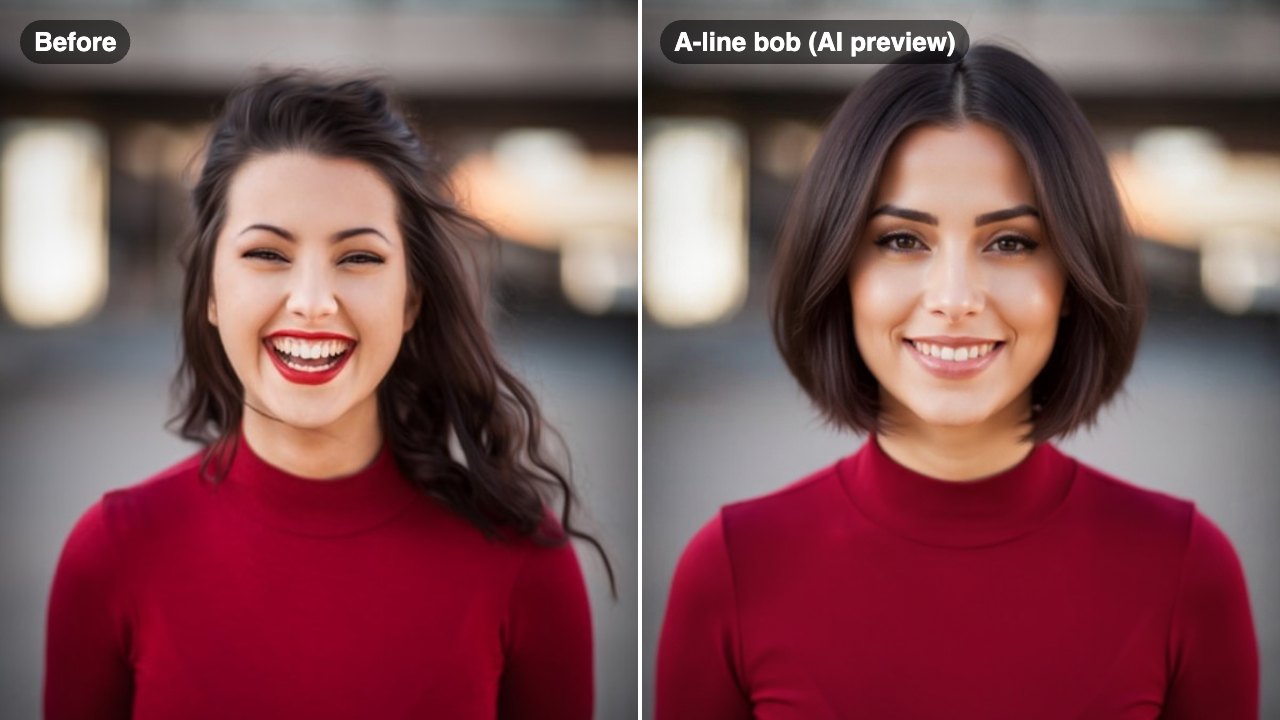
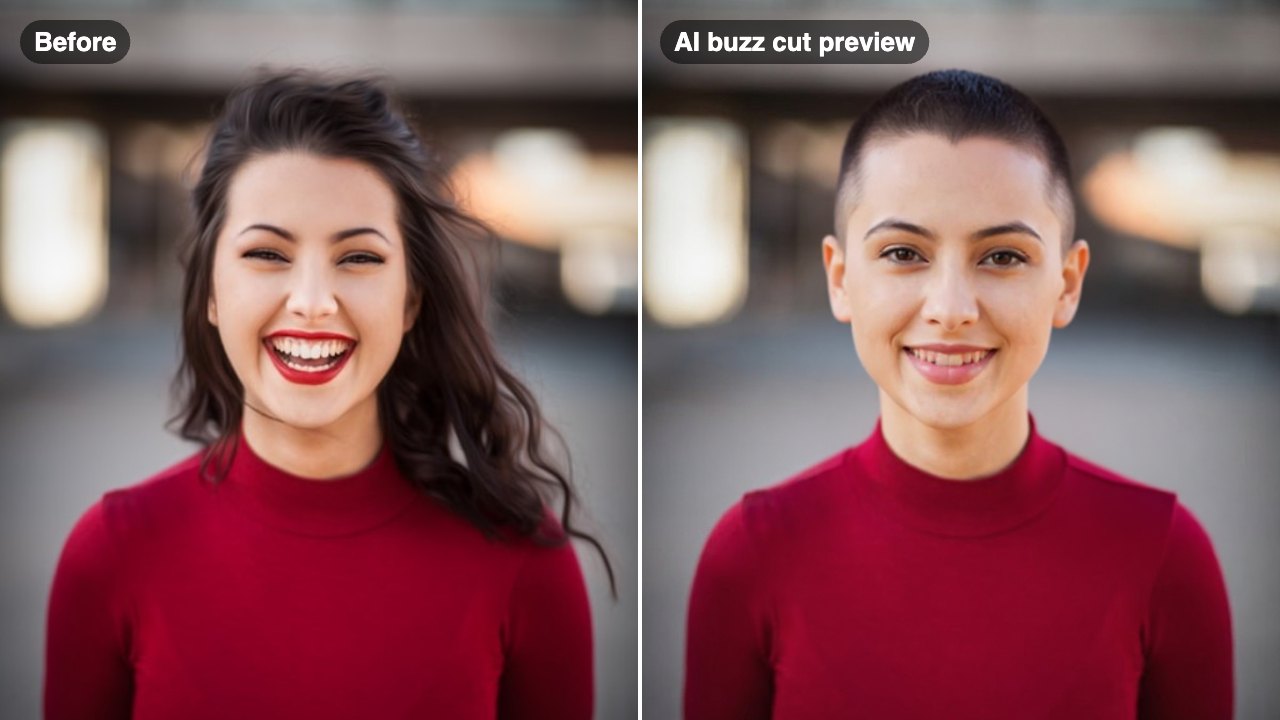
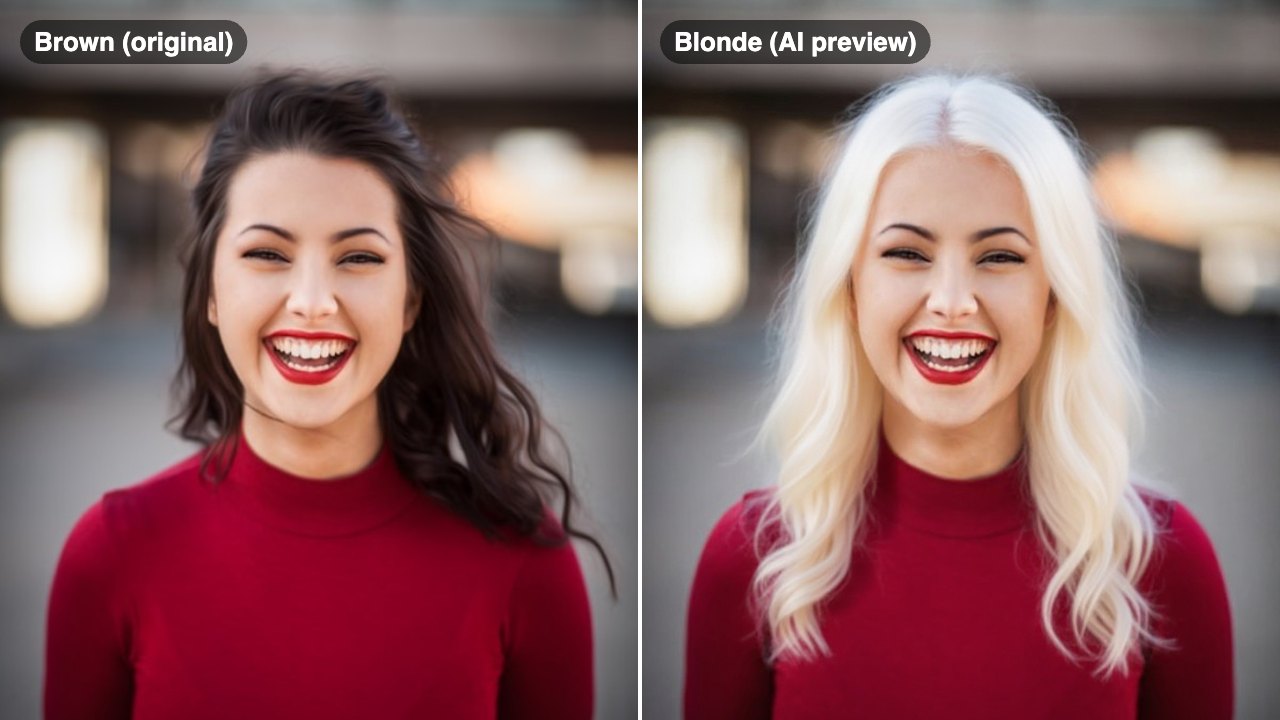
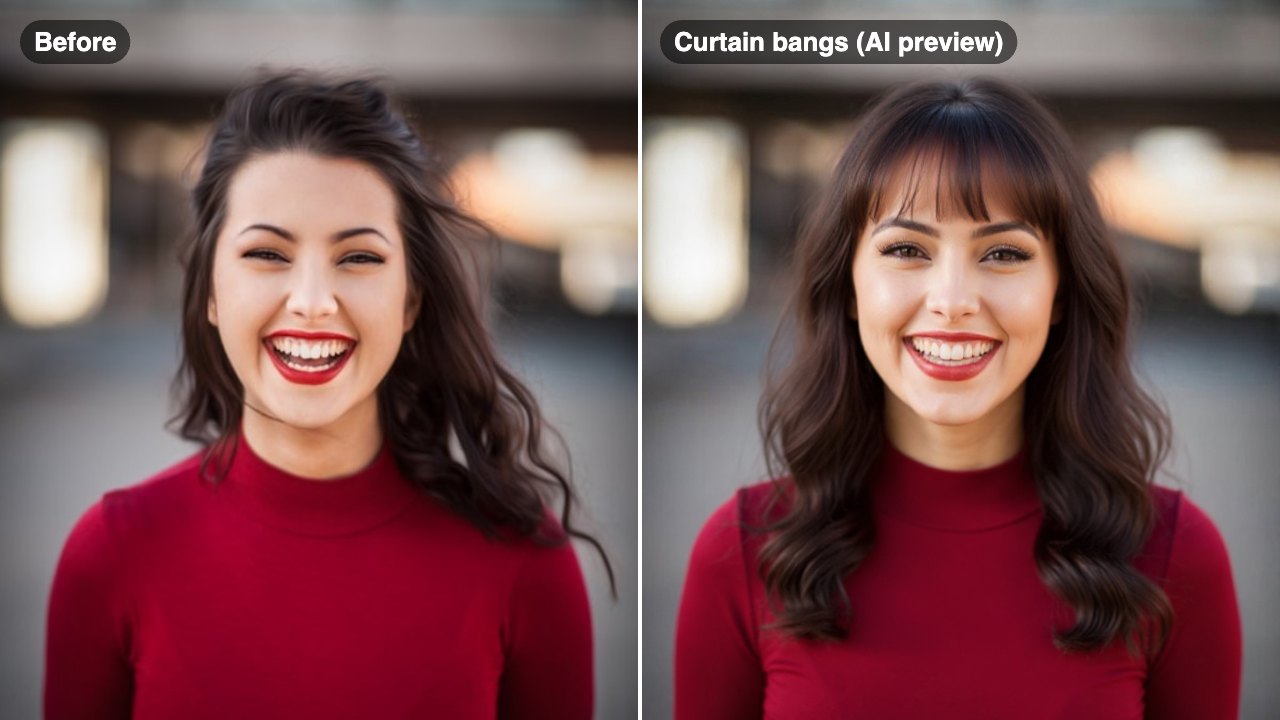
A bangs filter is a virtual try-on tool that uses AI to generate a realistic preview of how bangs would look on your actual face. Unlike simple Snapchat or Instagram filters that overlay a cartoon fringe on your photo, modern AI-powered bangs filters use generative models to create photorealistic results that account for your face shape, skin tone, and existing hair.
Here is what a good bangs filter can do for you:
Test Multiple Styles Instantly. Curtain bangs, blunt bangs, wispy bangs, side-swept bangs, micro bangs, and Korean-style see-through bangs all look dramatically different. With a filter, you can try every variation in minutes instead of committing to one and wondering about the others.
See the Proportional Effect. The most valuable thing a bangs filter shows you is how bangs change your facial proportions. Do they make your eyes pop? Do they shorten your face in a flattering way or an unflattering one? Do they emphasize your cheekbones or hide your best feature? These are things you cannot predict by looking at photos of other people.
Share Before You Commit. Screenshot your filtered previews and send them to friends, family, or your stylist. Getting feedback on a virtual preview is much more useful than describing what you are thinking about. Your stylist can give you practical advice about whether the style you love in the preview will work with your actual hair texture.
Reduce Anxiety. If you have been going back and forth about bangs for months, a filter can break the decision paralysis. Seeing bangs on your own face creates an immediate gut reaction: either you love it and feel excited, or you realize it is not for you. Both outcomes are valuable.
No Cost, No Consequence. Unlike a real haircut, you can undo a virtual try-on instantly. Try the wildest bang style you can think of with zero risk. You might be surprised by what you discover about your preferences when there is nothing at stake.
How to Use the Bangs Filter for Best Results
Getting the most accurate preview from a bangs filter depends on the quality of your input photo and how you approach the process. Follow these steps for the most reliable results.
Choose the Right Photo. Use a recent, front-facing photo taken in natural lighting. Your hair should be pulled back or at least away from your forehead so the AI can clearly see your hairline and forehead shape. Avoid selfies taken from above, which distort your proportions. A straight-on shot at eye level is ideal.
Start with the Style Closest to Your Hair. If you have straight hair, begin by testing straight bang styles. If your hair is wavy, try curtain bangs or wispy styles first. This gives you the most realistic baseline before you experiment with styles that might require more daily effort.
Test at Least Four Variations. Do not stop at the first style that looks decent. Try curtain bangs, blunt bangs, wispy bangs, and side-swept bangs at minimum. You might be surprised. Many people go in assuming they want full blunt bangs and discover that curtain bangs are actually far more flattering.
Compare Side by Side. Save each preview and view them next to each other, and next to your current look. Sometimes bangs look great in isolation but you realize you actually prefer your face without them. That is a perfectly valid outcome.
Consider Your Lifestyle. The filter shows you the best-case styling scenario. Ask yourself: am I willing to blow-dry and style my bangs every morning? Do I work out frequently and deal with forehead sweat? Do I live in a humid climate? These practical factors do not show up in a preview but determine whether you will love or regret your bangs in daily life.
Bring Previews to Your Stylist. Once you have identified your top one or two options, save the images and bring them to your hair appointment. Your stylist can tell you whether the specific cut will work with your hair density, texture, and growth patterns.
Real People, Real Results: What Bangs Filters Get Right and Wrong
AI bangs filters have become remarkably accurate, but it helps to understand what they handle well and where you should adjust your expectations.
What Filters Get Right. Modern AI filters do an excellent job of showing proportional changes. If bangs will make your face look shorter, more balanced, or more youthful, the filter will reflect that. They also accurately represent how different bang lengths interact with your eyebrows, eyes, and cheekbones. The overall visual impression you get from a high-quality filter is very close to what you will see in the mirror after a good stylist executes the cut.
Where Filters Fall Short. Filters show your bangs at their best, freshly styled and perfectly in place. They do not show you what bangs look like when you wake up, after a workout, in humidity, or on day-three hair. They also cannot account for your specific hair texture with perfect accuracy. If you have a strong cowlick at your hairline, your real bangs may part or flip in ways the filter does not predict.
The Texture Gap. Fine hair creates wispy, lighter bangs. Thick hair creates heavier, more dramatic bangs. Curly hair shrinks significantly. A filter gives you a general direction, but your stylist will need to adjust the cutting technique based on your actual hair properties.
The Confidence Signal. Here is something interesting that people who use bangs filters consistently report: the filter does not just show you a hairstyle, it shows you your emotional reaction. If you see bangs on your face and feel a jolt of excitement, that is a meaningful signal. If you feel uncertain or disappointed, that is equally useful information. Trust that initial reaction.
The Bottom Line. A bangs filter is not a crystal ball, but it is the closest thing to one that exists. It eliminates the biggest risk factor, which is having no idea what you will look like, and lets you make a decision based on evidence rather than pure hope.
Ready to See Yourself with Bangs?
The bangs debate does not need to stay in your head forever. You have spent enough time scrolling through photos of celebrities and influencers trying to imagine their bangs on your face. It does not work because their face is not your face.
Our Bangs Filter lets you upload one photo and preview the most popular bang styles on your actual face in about half a minute. See curtain bangs, blunt bangs, wispy fringe, and more, all with AI-generated photorealistic accuracy.
Here is what you can do right now: upload a photo, generate three or four previews, screenshot your favorites, and sit with them for a day. If you still love the look tomorrow, book the appointment with confidence. If the excitement fades, you just saved yourself six months of awkward grow-out.
Either way, you win. Try the Bangs Filter now and finally answer the question you have been asking yourself for months.